
Defining the different “biotics”:
Simple, Practical, Science-Based Tips for a Long Healthy Life from Experts in Nutrition and Exercise Science by Chris Rosenbloom, PhD, RDN
Gut health and the gut microbiome are trendy topics. For good reason, the gut is a vital organ and often described as our second brain. Read Chris Rosenbloom’s post, where she explains the different “biotics”: probiotics, prebiotics and postbiotics.
Today’s Dietitian Session Recording at the 2023 Spring Symposium, presented by Raylene Reimer, PhD, RD
This long awaited recording, presented live during the Today’s Dietitian Spring Symposium in Savannah 2023, is now available! Raylene describes the importance of the gut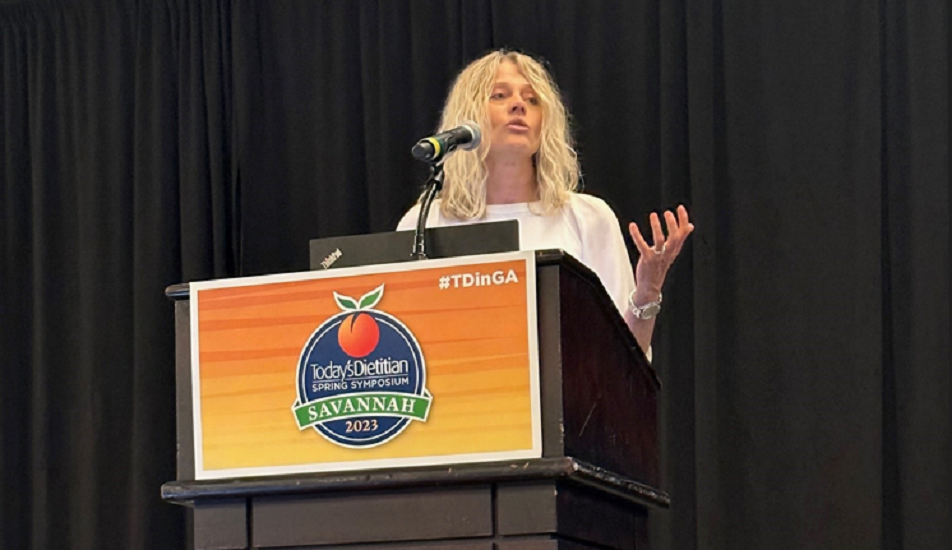 microbiota in health and disease risk across the lifespan, providing latest research and knowledge in nutrition science and legislation related to natural plant-sourced ingredients such as prebiotic fibers from chicory root. This session examines the potential for dietary factors, including prebiotics, to modify the gut microbiota, highlighting clinical and public health applications of prebiotics for chronic disease management, including obesity and osteoarthritis, throughout different life stages.
Make sure to check it out, here!
Probiotics vs. prebiotics: Which to choose? And When?
The ISAPP Science Blog

Consumers are flooded with information on what to eat and how to improve their health. One confusing topic is the difference between probiotics and prebiotics, and what their benefits for the gut environment might be. For more clarity, you can find a wealth of valuable information and FAQ’s, based on scientific evidence in this ISAPP consumer blog, which was written for ISAPP by Dr. Karen Scott, PhD, University of Aberdeen.
Other great sources of information from ISAPP:
- How does the gut microbiome interconnect with overall health and well-being? Scientists are getting closer to an understanding of what gut health really means, as described in this blog.
- The role of microbes in gut-brain communication. A podcast on the science of probiotics, prebiotics, synbiotic, postiotics and fermente foods, including emerging topics and challenges.
- Microbiome Day: a short video summing up the scientific achievements and questions on microbiome
- Prebiotics and Probiotics for Pets
We know gastrointestinal disorders are common in humans, but pets are no exception. No wonder digestive health solutions are in demand for pet foods, treats and supplements. Check the labels for fructooligosaccharides, chicory root fiber, inulin or oligofructiose. Have a look at this informative infographic for the background.
A guide to Prebiotics and the Gut Microbiome: Harnessing the power of microbes to support health
Complimentary recorded webinar on prebiotics from the 2022 Today’s Dietitian Spring Symposium for health professionals.
The presentation was such an overwhelming success that it has been turned into a continuing education webinar, for which registered dietitians can earn 1.0 CEU. If you missed the opportunity to participate follow this link to enjoy the recording.
In addition to Hannah’s Lunch Presentation a follow-up Q&A on: “Prebiotics and the Gut Microbiome” is available, providing easy to understand answers to everyday questions on the gut microbiome, dietary fiber and particularly prebiotics.
Strengthen your immune system with a gut-friendly diet
 In an ISAPP Science Blog an international scientific expert, Prof. Glenn Gibson (University of Reading, UK) recommends strengthening the immune system through our gut microbes with prebiotics and probiotics. According to Gibson, research shows a possible link between the gut and the immune system.
Consuming prebiotics, such as chicory root fiber may make a difference. Click here for the full blog.
Want to know more on strengthening your inner defence with prebiotic chicory root fibers? Check out this leaflet.
For more information and downloads on the most relevant physiological benefits of chicory root fiber and the most pertinent human studies, visit the experts.
In the Media
By Hannah D Holscher, PhD, RD; Robert Hutkins, PhD; Mary Ellen Sanders, PhD
Interest in probiotics, prebiotics and fermented foods has tremendously increased in the last few years. But what are they exactly, how can they be incorporated into your diet and what is the science behind? To find out the answers and even more, check out the ISAPP sponsored article in the Special Continuing Education Supplement of the Today’s Dietitian magazine. Dietitians can take this free continuing educational course to get informed and stay up-to-date on this topic.
By Chris Rosenbloom, PhD, RDN
“One of the hottest topics in health and wellness is the gut microbiome. The human gastrointestinal tract is host to one of the most complex ecosystems on the planet. So important is the gut microbiome that it has been dubbed our second brain for its role in influencing our health”.
Visit Chris Rosenbloom’s website to find out more and learn how a specific prebiotic dietary fiber called inulin can positively influence the microbes in our gut, why this is important, what they do, why we should eat them and – most importantly, where we can find them.
Researchers and consumers alike are asking what can be done to support our immune system, even more so during the ongoing pandemic. The influence of the microbiome is key in the link between the gut and the inner defence system. Read about how your immune function can be supported by prebiotics (and probiotics) in this interview, published by NUTRAingredients.com.
By Sharon Palmer, MSFS, RDN and Lori Zanteson in Today’s Dietitian
Did you know that only about 5 % of Americans are meeting the daily fiber recommendation? Dietary fiber is associated with a number of health benefits including digestive health, lowering cholesterol levels and decreasing the risk of type 2 diabetes to name a few. Even more positive effects are associated with prebiotic fibers, like chicory root fiber. In this concise overview you can learn more about the terms and categories of the different types of fiber and most important of all, you can learn what you can do to fill the “fiber gap”. Read more here.
If you always wondered about that, check out this infographic developed by the International Scientific Association for Probiotcs and Prebiotics (ISAPP) which contains all the information you need around prebiotics in a nutshell. The information is visualized in a short educational video as well.
Learn why your kids need prebiotics just as much as probiotics in this article, which recently appeared in parents.com. In addition, more information on the nutritional benefits of prebiotic inulin and oligofructose during infancy, childhood and adolescence is available here, free for download.
Peer-reviewed Publications
Intake of chicory root fibers increases Bifidobacteria and supports bowel function
A systematic literature review with meta-analyses, conducted by Dávid U. Nagy et al.(2022), demonstrates that chicory root fiber intake (starting at 3g/day) promotes significant growth of Bifidobacteria in the gut microbiome in all age groups and improves bowel function parameters. It is the first study of this kind, based on randomized control trials, that has investigated the effect of inulin-type fructans derived from chicory root on Bifidobacteria abundance in gut microbiota and health-related outcomes. You can find the full publication here.
As part of the Early Nutrition Programming Project, this study confirmed significant benefits of prebiotic supplementation in 160 healthy infants on bowel habits (softer stools), positive effects on microbiota and shorter duration of infections. This is the first study with oligofructose-enriched inulin covering the first year of life which adds to the growing evidence for the beneficial development of the gut microbiota and the immune system in infancy.
A study published by Prof. Decsi and Lohner (University of Pécs, Department of Paediatrics, Hungary) investigated the supplementation with prebiotic chicory root fibers in kindergarten children aged 3 to 6 years. A daily dosage of 6 g of chicory root fiber was given over 6 months, demonstrating various health benefits. As well as having a positive influence on the gut microbiota composition and stool frequency the children receiving the prebiotic supplementation also experienced fewer incidents of fever and sinusitis. This research highlights that, even in this age group, the immune system can be strengthened with chicory root fibers. Click here to read the full study.


